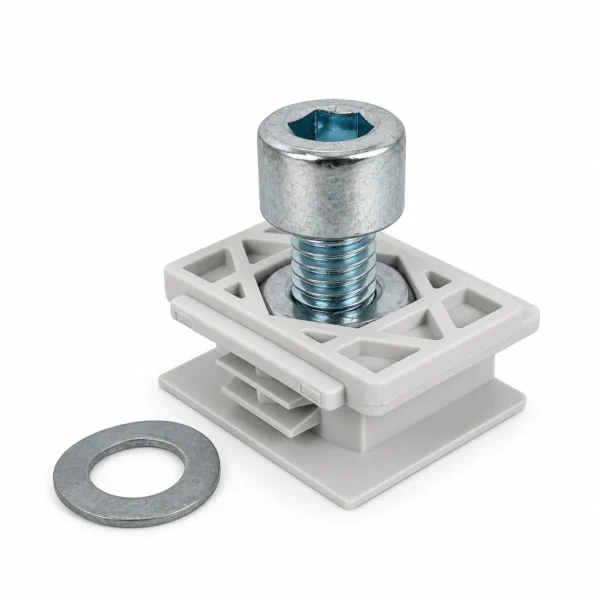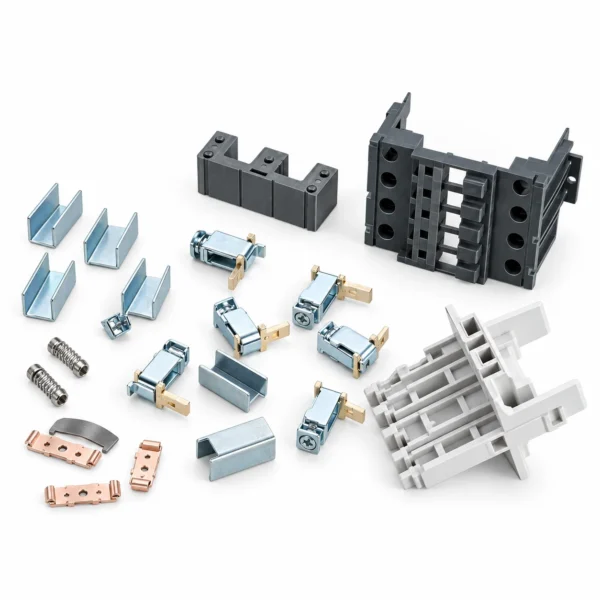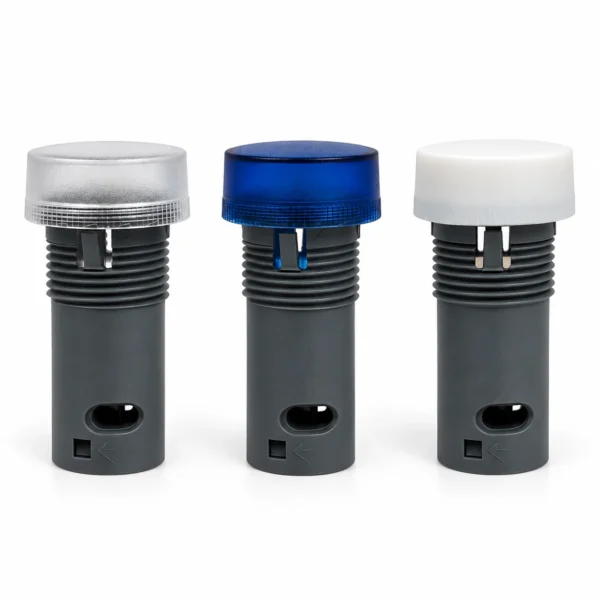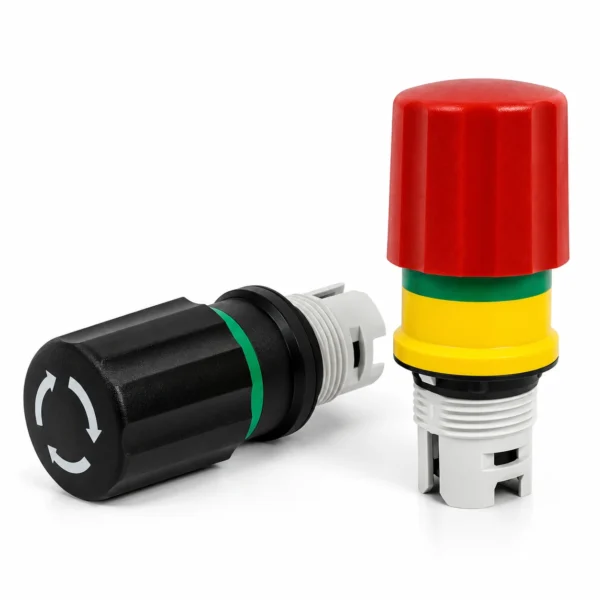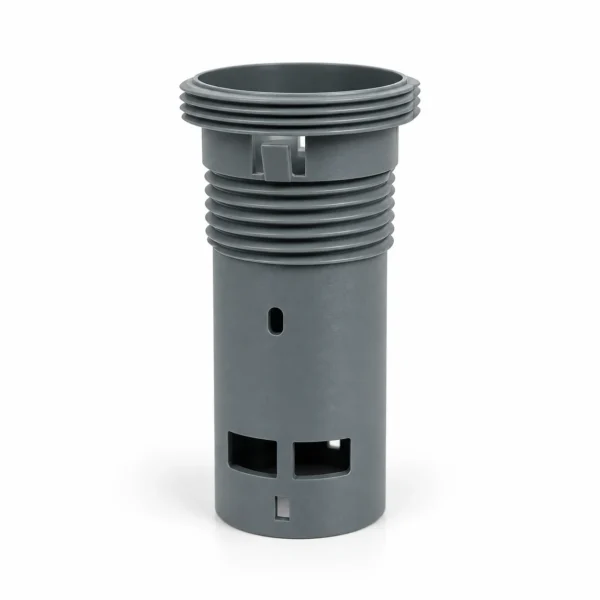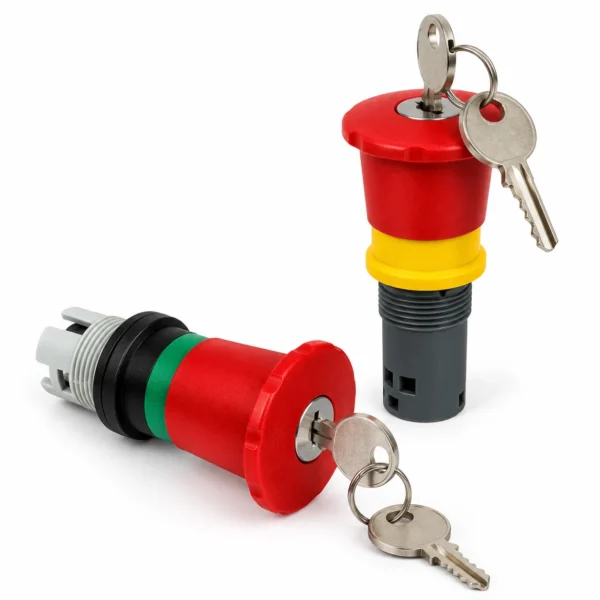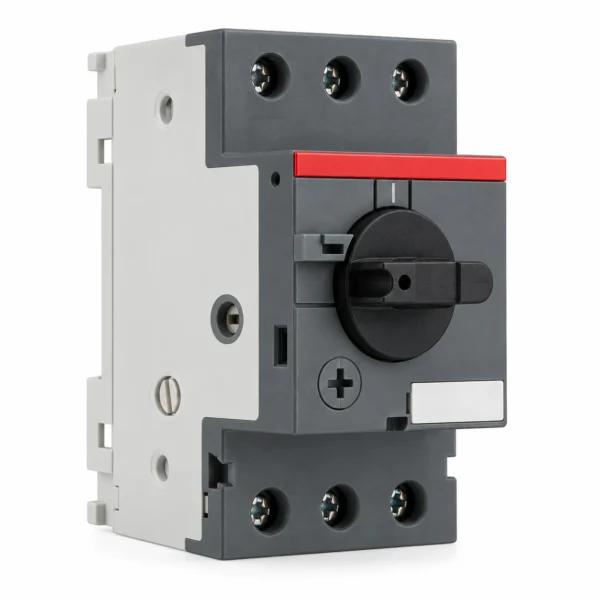
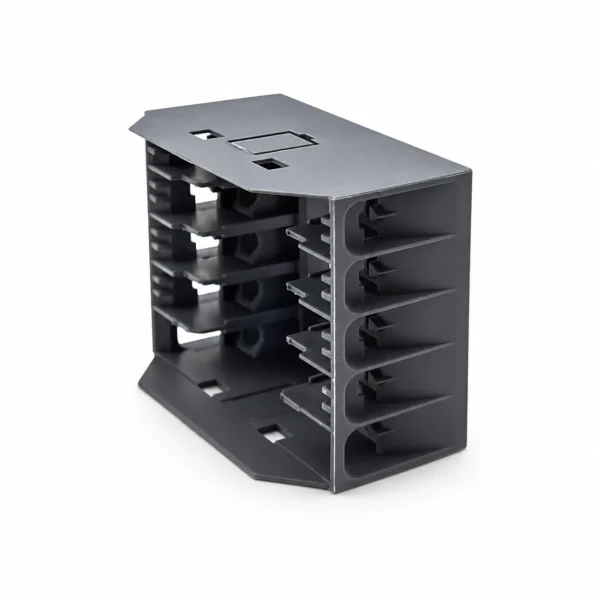
Internal Structural Components of an AC Contactor

Internal Structural Components of an AC Contactor

The Internal Structural Components of an AC Contactor form the foundational framework and mechanical actuation mechanism for industrial AC power contactors. This…

Custom Materials
Stable Assembly
OEM/ODM
Mold Processing
Material: Flame-Retardant Thermoplastic
Color: Customizable
Process: Injection Molding
Service: OEM/ODM
Accuracy: 0.02mm
Request a Quote

Available Services

OEM:

Send us your technical drawings, samples, or exact panel specifications. We handle full tool/mold fabrication, precision polymer injection molding, and bulk delivery tailored strictly to your technical standards.

ODM:

From initial spatial requirements and multi-tier structural design to DFM analysis, mold tooling, dielectric testing, and complete sub-assembly—we provide complete custom enclosure solutions ready for distribution.

The complete path from drawing to mass production OEM and ODM dual-mode support
→
01
Requirement Review Receive the materials and assess feasibility
→
02
DFM Analysis Analysis of structure, materials, and molding risks
→
03
Mold Development Precise design, machining, and assembly
→
04
Mold Testing Confirmation T0 testing, inspection, and sample confirmation
→
05
Trial Production Approval Stable production, continuation, and global documentation
→
06
Injection Molding Mass Production Submit drawings to get the plan

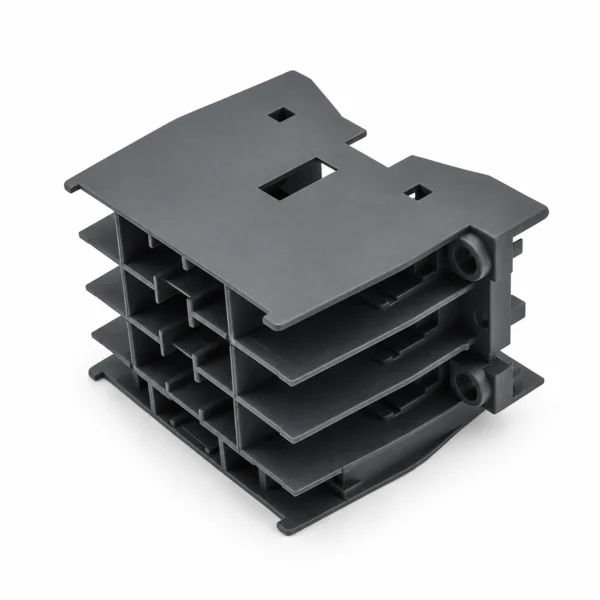
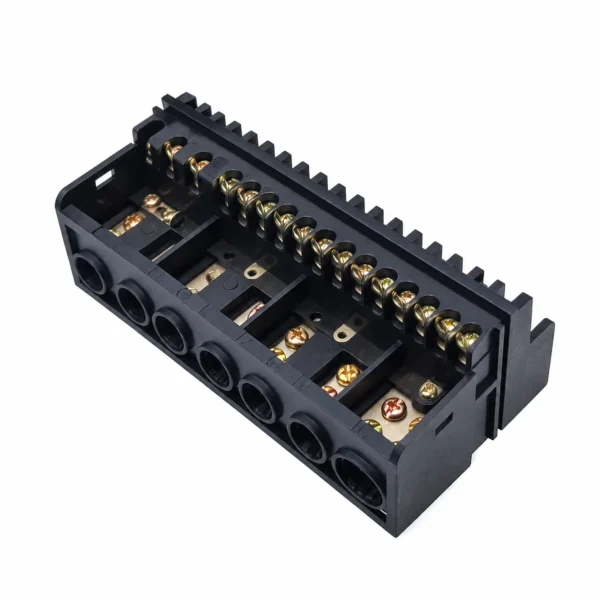
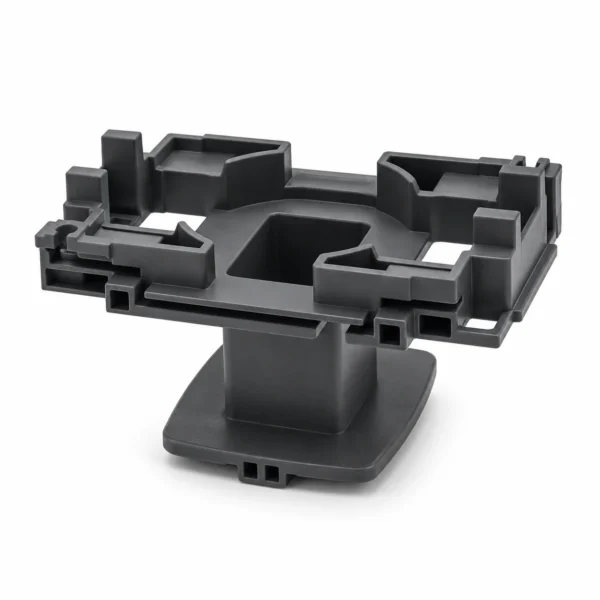
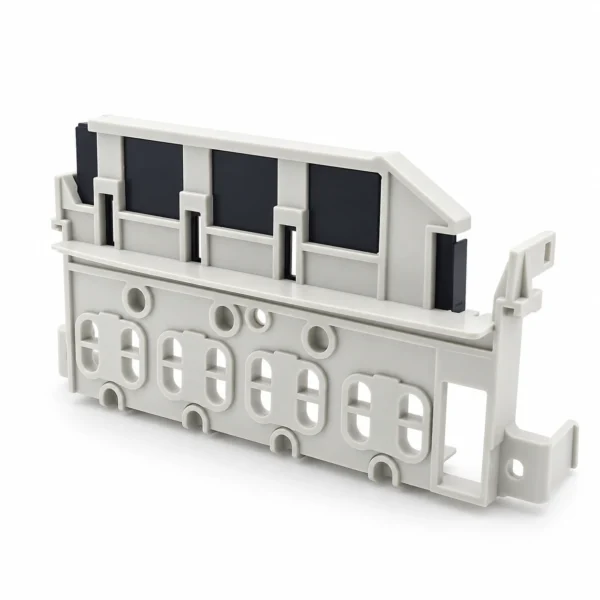
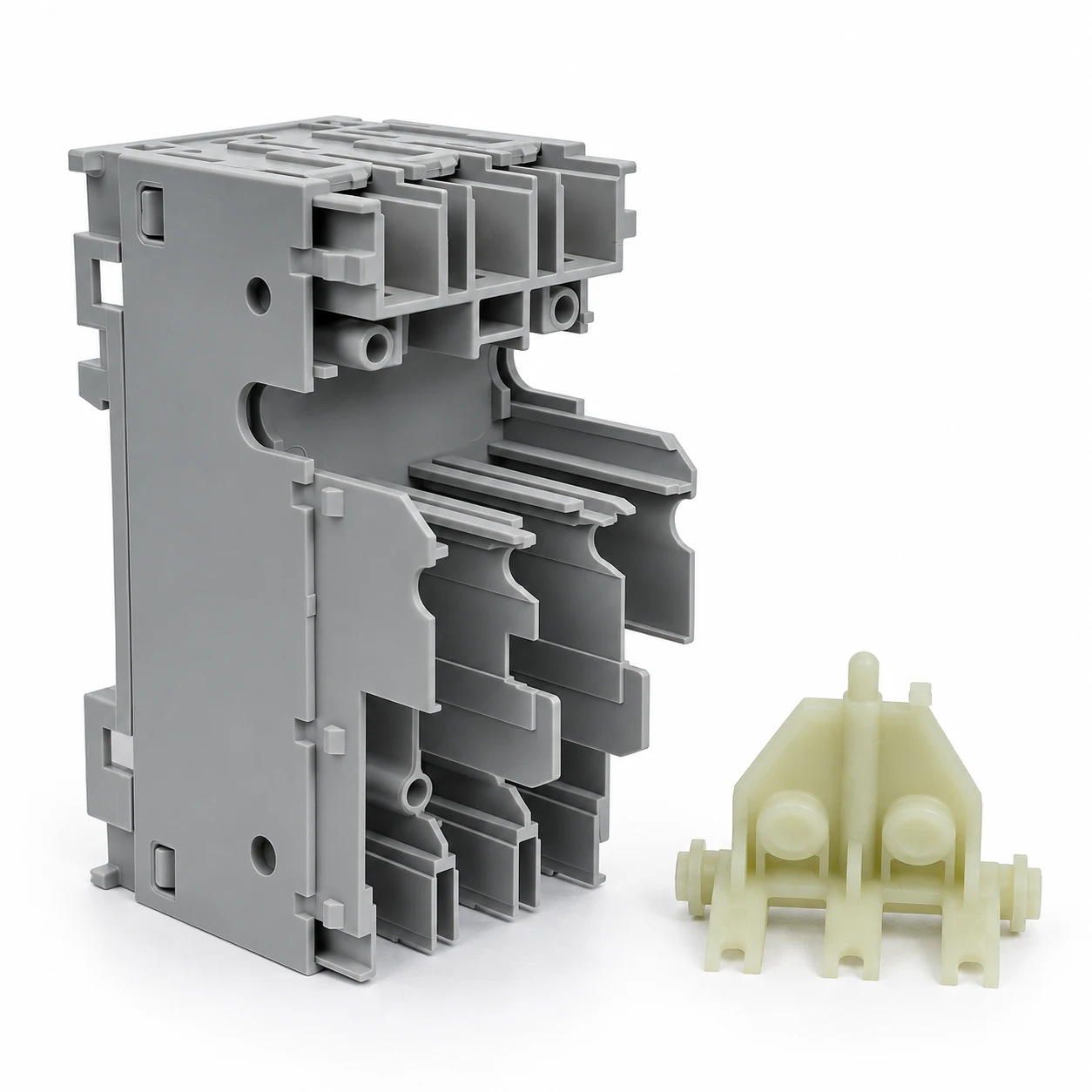
The Internal Structural Components of an AC Contactor form the foundational framework and mechanical actuation mechanism for industrial AC power contactors. This kit consists of a heavy-duty thermoplastic main housing frame paired with a precision-molded internal contact carrier rocker and a spring-assisted mounting latch assembly. Engineered to withstand high operational cycles, high temperatures, and electrical arcing, these components ensure precise alignment of power contacts and smooth movement during coil energization.

Key Features & Design Highlights

  • Multi-Phase Isolation Chambers: Features molded vertical phase barriers inside the frame to prevent phase-to-phase arcing and direct shorts during high-current switching.

  • Precision Pivoting Actuator Arm: Includes a durable nylon/PBT moving contact holder designed for seamless mechanical interlocking with the electromagnetic core assembly.

  • Spring-Loaded DIN Rail Latch: Built with a steel compression spring integrated directly into the rear base housing for quick, tool-free snap-on mounting to standard 35mm DIN rails.

  • High-Strength Thermal Polymer Construction: Molded using flame-retardant engineering plastics (PA66/PBT) for exceptional heat resistance, mechanical strength, and electrical tracking resistance.

  • Modular Assembly Design: Engineered with snap-fit slots, screw guide channels, and guided tracks to facilitate fast, repeatable assembly in automated production lines.

Technical Specifications

  • Product Type: Internal Structural Housing & Moving Carrier Component Assembly

  • Primary Components: Molded Outer Main Frame, Pivoting Contact Carrier Arm, Rear Spring-Loaded DIN Latch Mechanism

  • Materials: Flame-Retardant Thermoplastic (PA66 / PBT), Stainless Steel Spring

  • Color: Industrial Gray (Main Frame) & Light Cream / Off-White (Internal Carrier Arm)

  • Mounting Compatibility: Standard 35mm DIN Rail / Panel Screw Mount

  • Applications: AC Motor Starters, Modular Power Contactors, Lighting Control Relays, and Industrial Switchgear Assemblies

Custom Internal Structural Components of an AC Contactor — Project Questions

Can Internal Structural Components of an AC Contactor be customized for my project?

Jingmu develops custom molds and molded components from customer drawings or samples. Share the part geometry, assembly requirements, material specification and expected production volume so our engineering team can review feasibility.

What information is needed to quote this component?

Send 2D drawings or 3D CAD files, the required material, key dimensions and tolerances, expected quantities and any electrical or environmental requirements. If drawings are unavailable, contact us to discuss a sample-based review.

How are material and manufacturing requirements confirmed?

The team reviews material selection, mold structure, assembly fit and inspection needs during the DFM stage. Final specifications, trial requirements and delivery timing are agreed for the individual project before production.

How We Work

Our 8-Step Process

From requirement review to final delivery, each stage is managed against the agreed technical and quality requirements.

01. Requirement Review

Review the application, customer drawings, 3D models, material requirements, tolerances and technical specifications. Confirm manufacturability through DFM analysis and agree on key quality requirements.

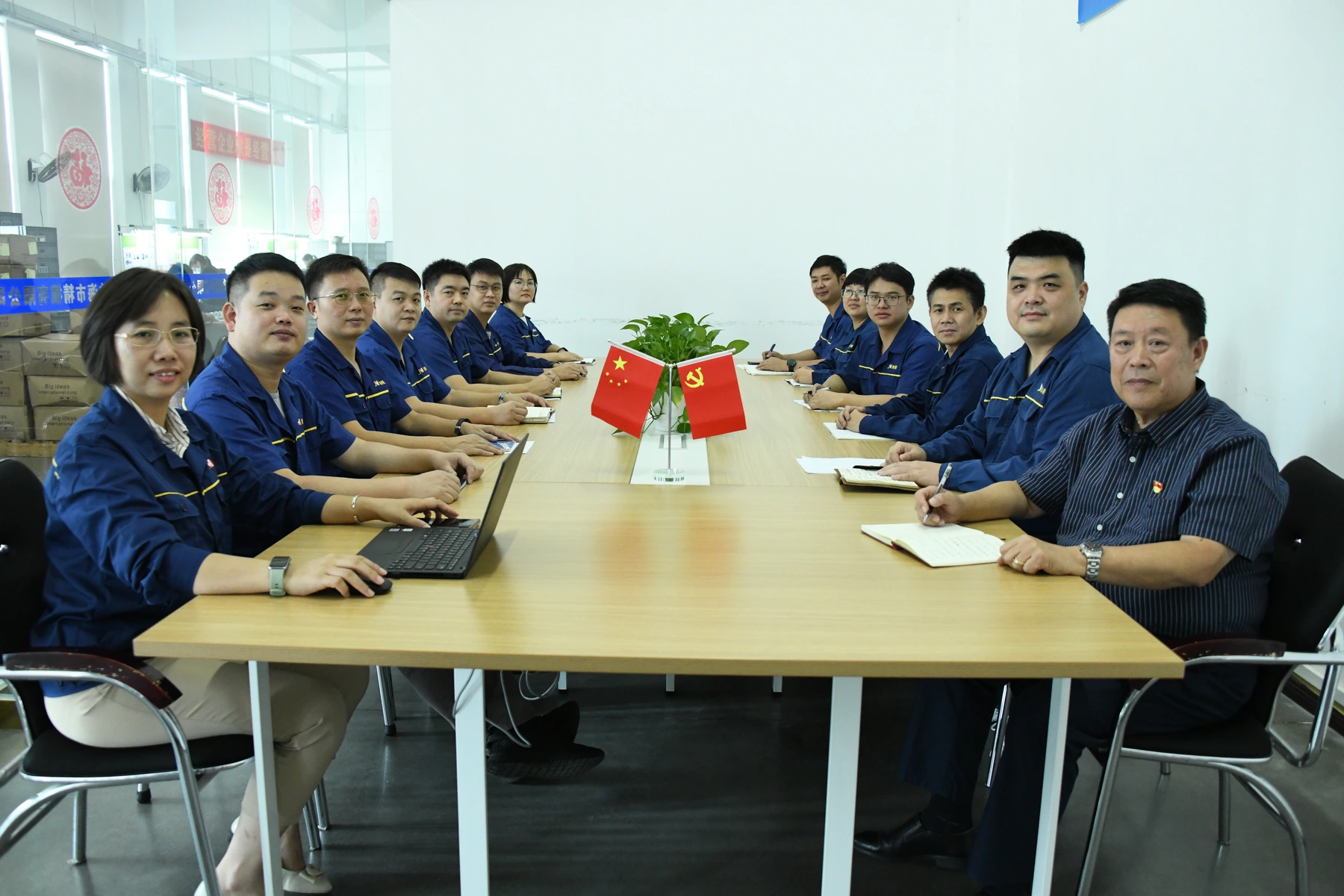
Jingmu engineering and project coordination meeting

02. Material Selection

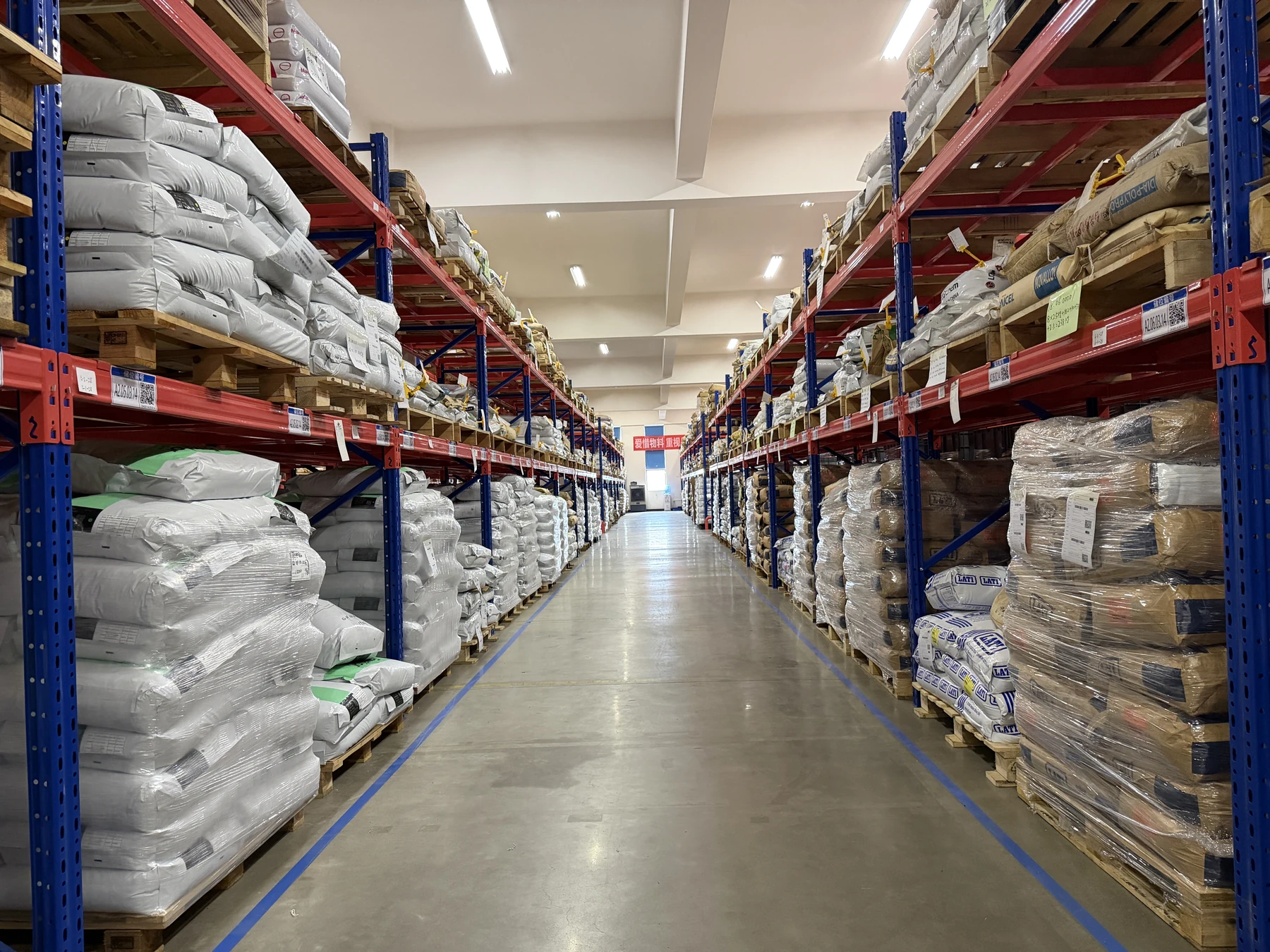
Select suitable mold steel, plastic resin and purchased components according to the application, part performance, surface finish and expected production volume. Confirm material grades and applicable specifications.

Packaged molding materials in the Jingmu warehouse

03. Technical Design

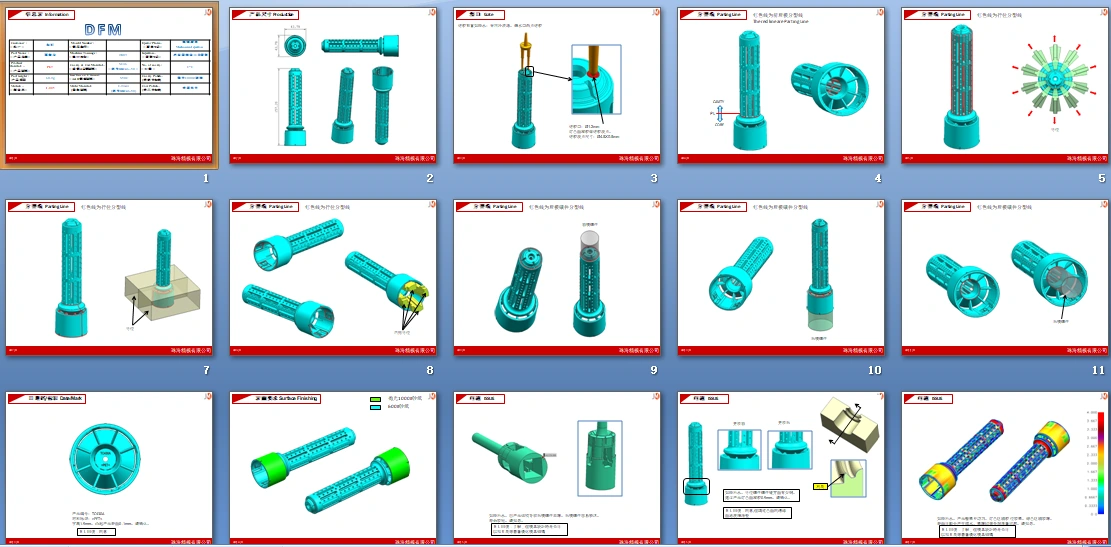
Develop the 3D mold design and detailed drawings. Define the mold structure, part dimensions, gating, cooling, venting and ejection systems to meet the approved technical requirements.

Client-provided product design for manufacturability analysis

04. Sample Development

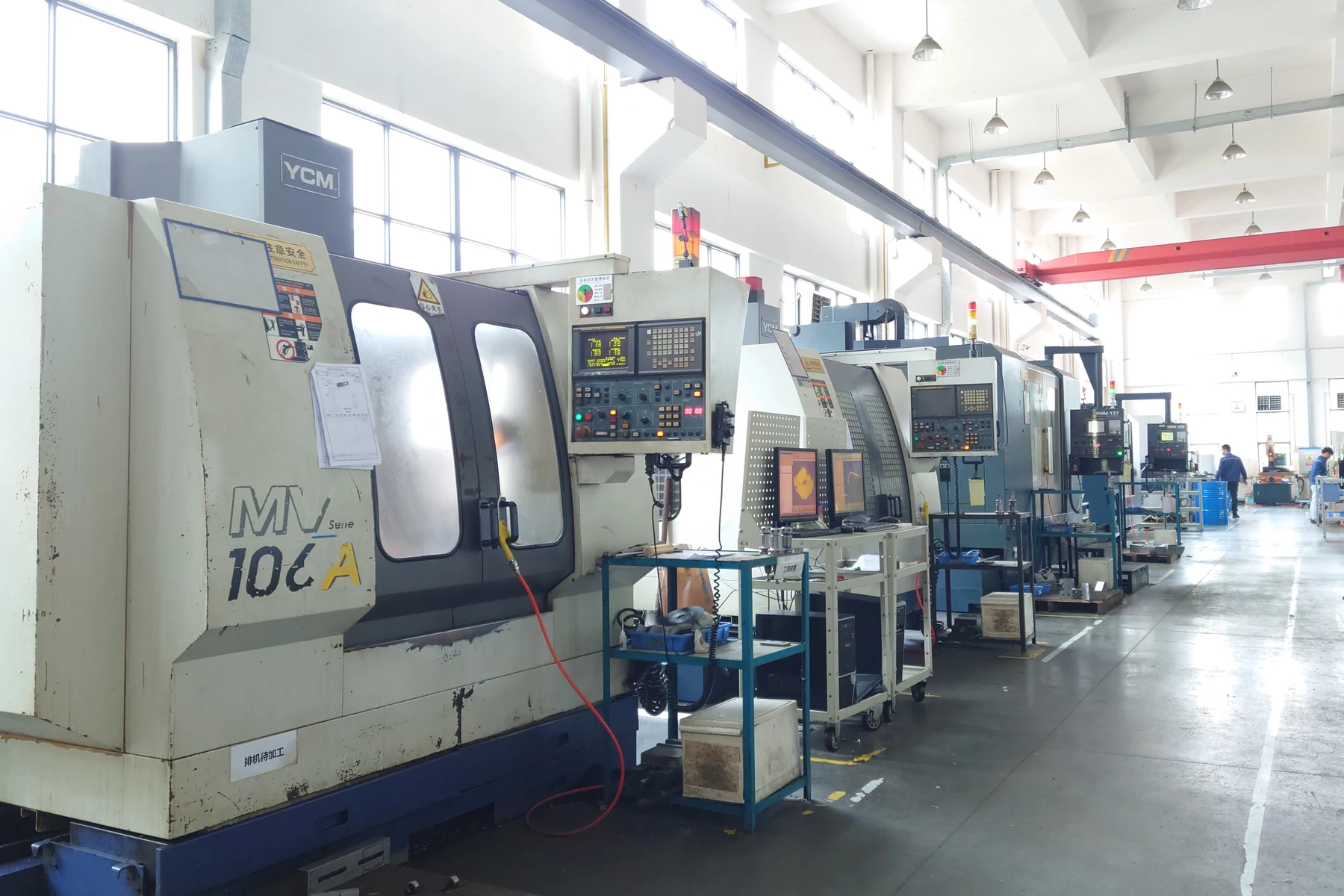
Machine the mold frame and components to approved drawings, assemble the mold and conduct trial molding. Prepare samples and document trial conditions for review and validation.

Jingmu CNC machining workshop

05. Performance Testing

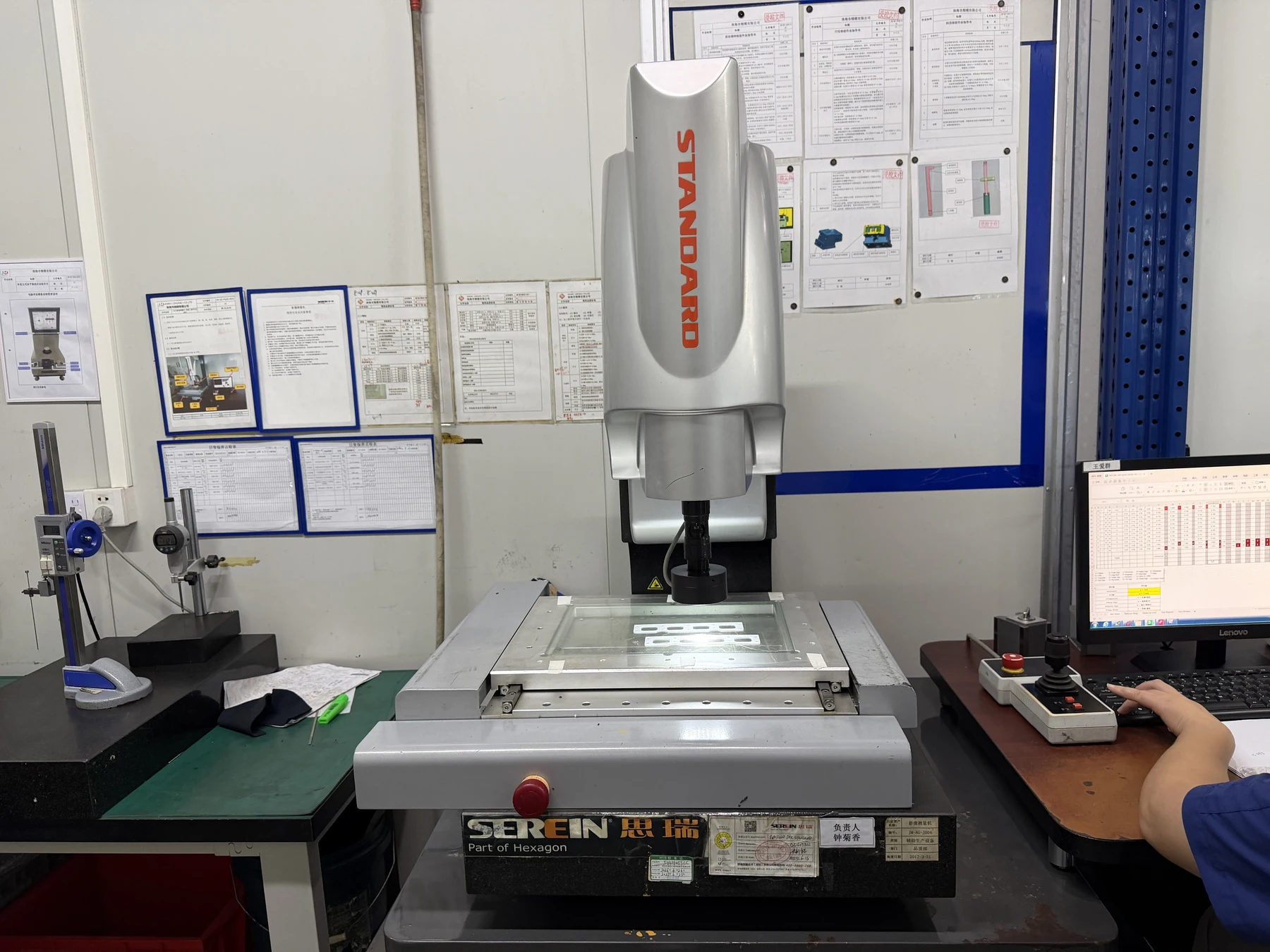
Evaluate sample dimensions, appearance, assembly fit and applicable functional or performance requirements. Record results, resolve identified issues and obtain the required sample approval.

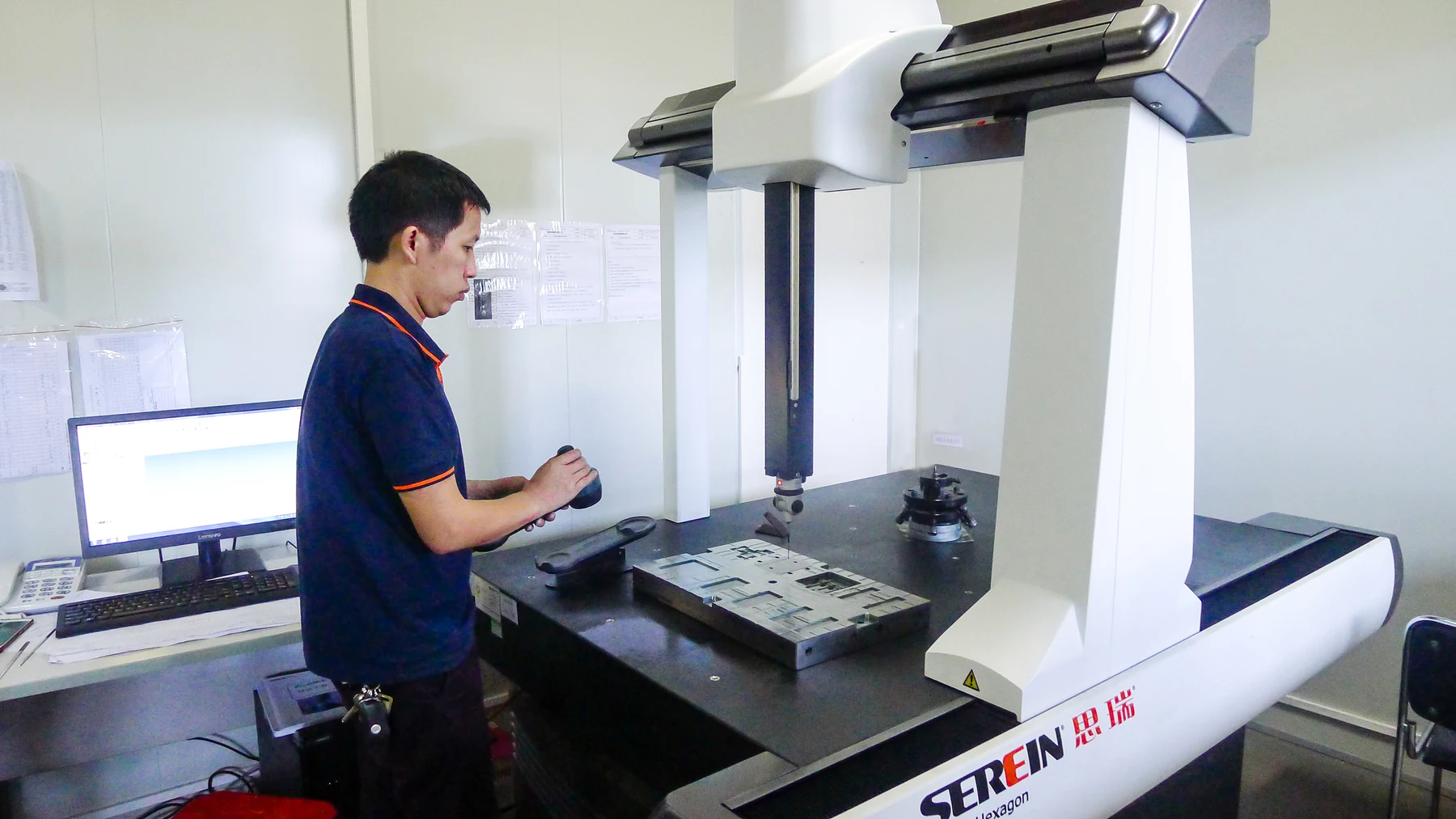
Dimensional inspection in the Jingmu measurement laboratory

06. Production

Begin controlled production after sample and specification approval. Follow the agreed process settings, inspection plan and assembly requirements to maintain consistent product quality.

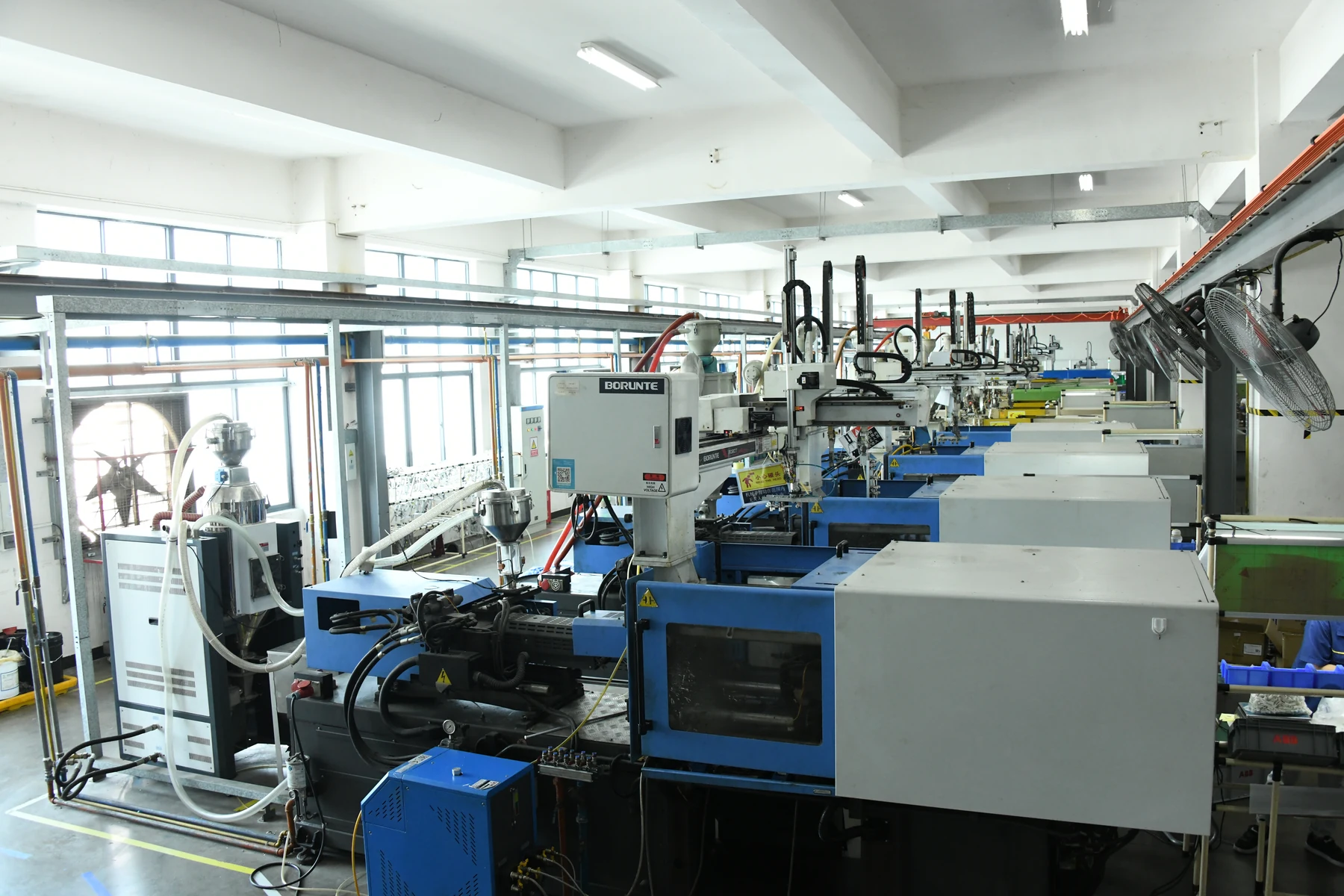
Client-provided injection molding production line

07. Quality Inspection

Inspect finished molds or products for specified dimensions, structure, appearance and applicable functions. Review inspection results, traceability and quality records before shipment release.

Jingmu technician carrying out coordinate measurement

08. Packing & Delivery

Clean and protect the mold or products and use suitable packaging for shipment. Verify labels, quantities and delivery documents, then arrange delivery according to the agreed shipping requirements.

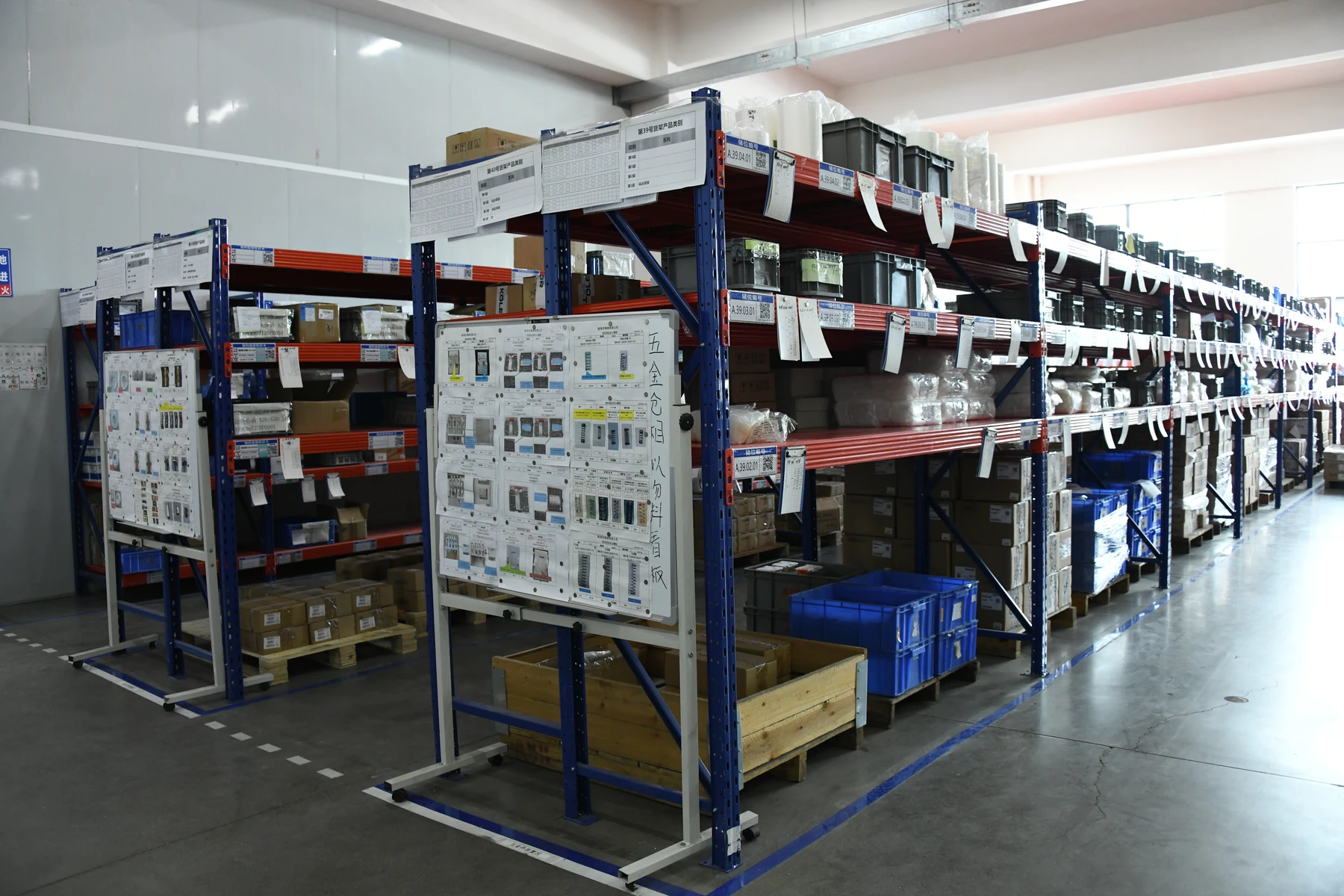
Mold and tooling warehouse at Jingmu

WhatsApp

+86 18926919975

WeChat

18926919975

Email

info@zhjingmu.com

Skype

JingMu02@outlook.com